
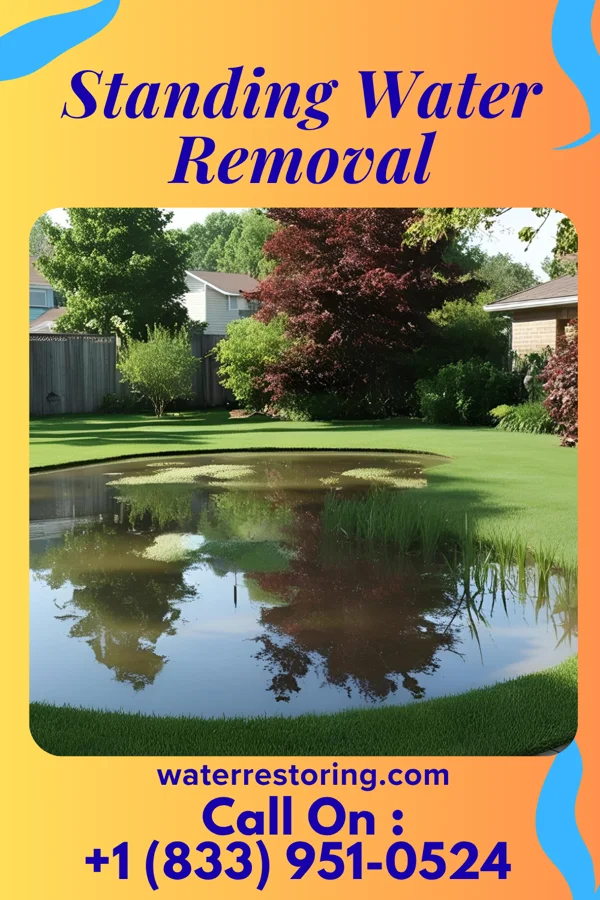
What Makes Clarence Standing-Water-Prone
Living in Clarence means dealing with In Clarence, Missouri, the primary water damage causes are often related to agricultural runoff, seasonal flooding from nearby rivers, and leaking septic systems due to the rural nature of the area. Heavy rainfall in the spring and summer months can lead to significant water accumulation in low-lying fields and residential properties. sooner or later. A close second is Secondary causes include broken water tanks, leaking irrigation systems, and plumbing failures in older homes. Additionally, the region's clay soil can contribute to water retention and slow drainage, increasing the risk of prolonged water exposure.. The good news: water damage is fully recoverable when you catch it fast and bring in certified technicians.
Clarence experiences a humid continental climate with hot summers and cold winters, leading to frequent thunderstorms and occasional flash flooding. The area's proximity to the Mississippi River also increases the risk of water intrusion during high water levels.
Most standing water removal calls in Clarence come from In Clarence, Missouri, the primary water damage causes are often related to agricultural runoff, seasonal flooding from nearby rivers, and leaking septic systems due to the rural nature of the area. Heavy rainfall in the spring and summer months can lead to significant water accumulation in low-lying fields and residential properties.. Running a close second is Secondary causes include broken water tanks, leaking irrigation systems, and plumbing failures in older homes. Additionally, the region's clay soil can contribute to water retention and slow drainage, increasing the risk of prolonged water exposure.. Local mold risk: Mold growth in Clarence can develop quickly due to the high humidity and frequent rainfall, making prompt water damage response critical to prevent health risks and structural damage.